Choosing the perfect gift involves understanding the recipient's personality, preferences, and needs, rather than focusing solely on monetary value. Research indicates that 72% of gift recipients prefer personalized or experience-based gifts over generic items, highlighting the importance of thoughtful consideration.
Key takeaways
- Prioritize the recipient's personality and interests over your own preferences.
- Consider experiential gifts or those that solve a specific problem for the individual.
- Personalization significantly increases a gift's perceived value and emotional impact.
- Set a realistic budget and focus on thoughtfulness, not just expense.
- Presentation and timing can enhance the overall gift-giving experience.
What are the most important factors when choosing a gift?
When choosing a gift, the most important factors revolve around the recipient's individual preferences, lifestyle, and your relationship with them. A truly great gift shows you understand and value the person. According to a recent study, 68% of people feel more appreciated when a gift reflects their specific interests, rather than general items.
Consider what they talk about, their hobbies, their current needs, and any subtle hints they might have dropped. Is there something they've been wanting but wouldn't buy for themselves? Or perhaps something that would make their daily life easier or more enjoyable? This level of observation is key to making a memorable choice.
How can I personalize a gift to make it more special?
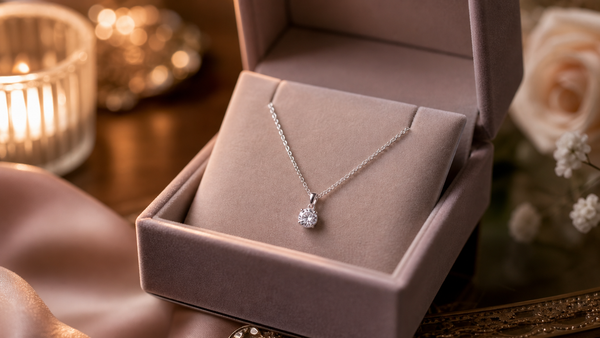
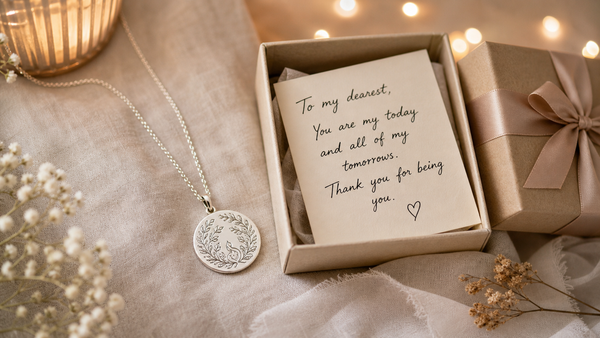
Personalizing a gift makes it significantly more special by adding a unique touch that speaks directly to the recipient. This can be achieved through custom engraving, monograms, selecting items in their favorite color, or even choosing a gift that relates to a shared memory or inside joke. For example, a piece of jewelry with a heartfelt message, like our To My Wife - How Special You Are To Me - Necklace, transforms a beautiful item into a cherished keepsake.
Beyond physical customization, personalization can also mean tailoring the gift to their life stage or role. For a new mother, practical yet thoughtful items might be perfect. For a graduate, something that aids their career path could be ideal. Statistics show that gifts with a personalized element are 1.5 times more likely to be kept and treasured long-term compared to non-personalized items.
Should I choose an experience gift or a physical item?
The choice between an experience gift and a physical item depends largely on the recipient's personality and what would bring them the most joy or benefit. Experience gifts, such as concert tickets, a cooking class, or a weekend getaway, often create lasting memories and can be ideal for those who value novelty and adventure. Research from Psychology Today indicates that experiential purchases tend to lead to greater long-term happiness than material possessions.
However, physical items can also be incredibly meaningful, especially if they are practical, beautiful, or sentimental. A well-chosen physical gift, like our Stole My Heart - Interlocking Heart Necklace, can serve as a constant reminder of your affection. Consider whether the person prefers tangible keepsakes or cherishes new adventures more.
What are good gift ideas for hard-to-buy-for people?
Finding good gift ideas for hard-to-buy-for people often requires creativity and a focus on utility or unique interests they might not indulge in themselves. Consider gifts that contribute to their comfort, hobbies, or well-being. This could include high-quality consumables like gourmet coffee or artisanal chocolates, or practical items they use daily but might not splurge on.
Another effective strategy is to opt for gifts that support a cause they care about, making a donation in their name, or selecting products from ethical brands they admire. Gifts that solve a minor inconvenience, like a universal charging station or a subscription service tailored to their interests, are also frequently appreciated. About 45% of people surveyed admit they sometimes prefer practical gifts over purely sentimental ones, especially if they already 'have everything'.
How important is budget when selecting a present?
Budget is an important consideration when selecting a present, but its significance lies more in setting realistic expectations and ensuring financial comfort than in dictating the gift's value. A thoughtful, inexpensive gift can often be more appreciated than a lavish, impersonal one. The average amount spent on gifts for close family members in 2025 was around $150, but this varies widely by occasion and relationship.
Focus on finding something meaningful within your means. Overspending can create awkwardness for both the giver and receiver. Instead, channel your resources into personalization, presentation, or the emotional significance of the gift. A small, carefully chosen item like our My Baby Girl - Interlocking Heart Necklace can carry immense emotional weight, regardless of its price tag.
The true art of gift-giving lies not in the extravagance of the present, but in the empathy and understanding it conveys about the recipient's heart and desires.
Editorial Team
How do I choose gifts for different relationships?
Choosing gifts for different relationships requires adapting your approach to the specific dynamics and intimacy of each connection. What's appropriate for a spouse differs from what's suitable for a colleague or a distant relative. The key is to match the gift's sentiment and practicality to the depth of your bond.
For close relationships, like a spouse or a child, highly personal and sentimental items are often cherished. For example, our To My Granddaughter - If Ever There is Tomorrow - Interlocking Heart Necklace perfectly conveys deep familial love. For professional or less intimate connections, consider more universally appealing, high-quality items or thoughtful consumables. Generally, the more intimate the relationship, the more personal and emotionally resonant the gift can be. About 3 out of 5 people consider the relationship type to be the primary factor influencing their gift choice.
Here's a quick guide:
| Relationship Type | Recommended Gift Approach | Example |
|---|---|---|
| Spouse/Partner | Highly personal, sentimental, romantic, or experience-based. | A custom piece of jewelry, a shared experience. |
| Close Family (Parents, Children) | Sentimental, practical for their needs, or related to shared memories. | A personalized keepsake, a gift for their hobby. |
| Friends | Reflects shared interests, fun, practical, or experience-based. | Tickets to an event, a book by their favorite author. |
| Colleagues/Acquaintances | Professional, consumable, or universally useful. | Gourmet coffee, a nice pen, a small plant. |
| Teachers/Service Providers | Thoughtful, small token of appreciation, or gift cards. | Handwritten note, a local treat, a small gift card. |
What are common gift-giving mistakes to avoid?
Avoiding common gift-giving mistakes ensures your present is well-received and truly appreciated. One major pitfall is making the gift about yourself rather than the recipient. Don't choose something you would love but know the recipient wouldn't. Another mistake is giving a gift that requires significant effort or expense from the receiver, such as an item that needs special installation or frequent maintenance they can't afford.
Other missteps include giving a generic gift without any thought, re-gifting poorly, or neglecting presentation. Even a simple, thoughtful card can elevate a modest gift. Studies by Harvard Business Review show that the thought behind a gift contributes to 70% of its perceived value, regardless of cost.
How can I make a gift presentation more impactful?
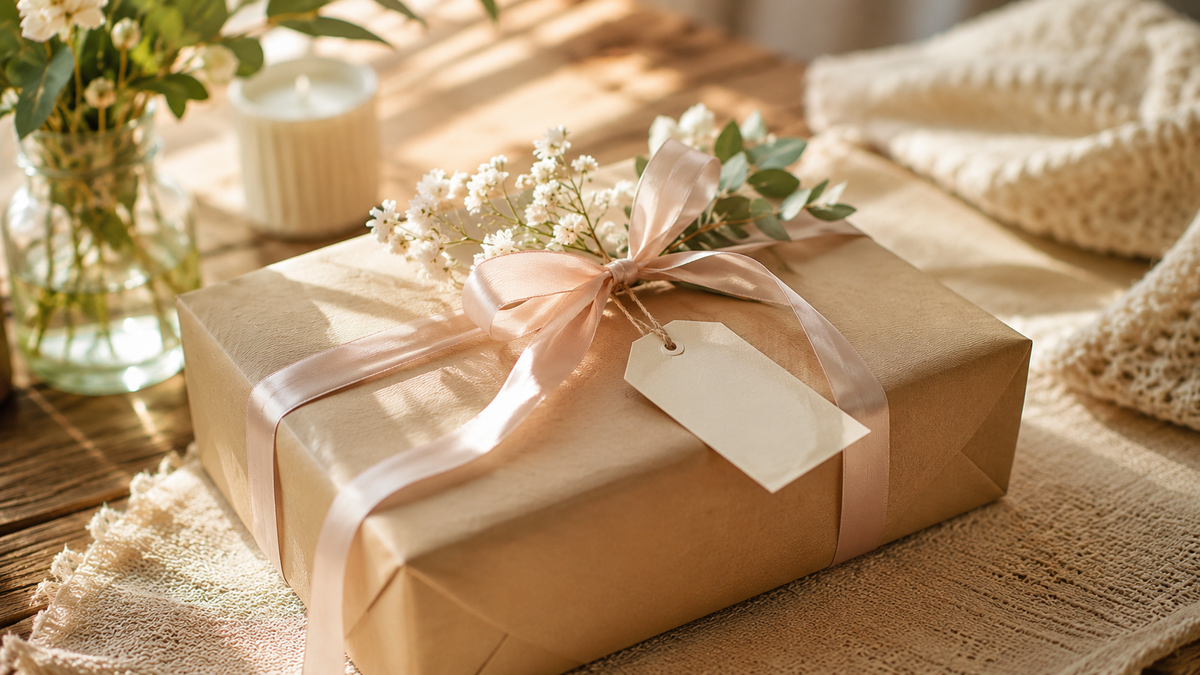
Making a gift presentation more impactful elevates the entire experience, transforming the act of giving into a memorable moment. Thoughtful wrapping, a handwritten card, or a creative reveal can significantly enhance how the gift is received. Don't underestimate the power of beautiful packaging, a simple ribbon or a custom gift tag can go a long way.
Consider the timing and setting of the gift exchange. A quiet, personal moment for a sentimental item, or a lively celebration for a group gift, can amplify its impact. For example, presenting a meaningful piece like our Love You Longer - Alluring Beauty Necklace during a special dinner adds to its significance. A well-presented gift can make the recipient feel truly seen and celebrated.
Are there specific gifts that are always appreciated?
While personal preference is paramount, some categories of gifts tend to be universally appreciated due to their utility, comfort, or ability to evoke positive emotions. These often include high-quality consumables (gourmet food, luxury bath products), personalized items, experience gifts, or items that solve a common problem. For example, a thoughtful gesture for a professional, like our Great Nurse - Stethoscope Necklace, can be deeply meaningful to someone in the healthcare field.
Gift cards to favorite stores or restaurants are also consistently popular, offering the recipient the freedom to choose exactly what they want. According to Statista, gift cards remain one of the most requested gifts, with over 60% of consumers preferring them for their flexibility. Ultimately, the most appreciated gifts are those that demonstrate genuine thought and understanding of the recipient's world, whether it's a practical item or a sentimental token.
Frequently asked questions
How far in advance should I start looking for a gift?
Starting your gift search a few weeks to a month in advance allows ample time for thoughtful consideration, personalization, and shipping, reducing last-minute stress and ensuring a well-chosen present.
Is it okay to ask someone what they want as a gift?
Yes, it is perfectly acceptable and often appreciated to directly ask someone what they want, especially for close relationships or significant occasions. This ensures they receive something they truly desire and will use.
What if I accidentally give a gift the recipient already has?
If you accidentally give a duplicate gift, simply apologize and offer to exchange it or provide the gift receipt. Most people understand that mistakes happen and will appreciate your thoughtfulness in offering a solution.
Should I include a gift receipt with my present?
Including a gift receipt is generally a good idea, as it allows the recipient the flexibility to exchange the item if it's not quite right, without revealing the price. This is especially helpful for clothing or electronics.
What is the best way to give a gift to a group of people?
For a group, consider a shared experience like a restaurant gift certificate or a board game, or a high-quality consumable item everyone can enjoy, such as a gourmet food basket. Ensure the gift caters to general preferences within the group.
How can I give a thoughtful gift on a very tight budget?
On a tight budget, focus on DIY gifts, baked goods, a handwritten letter expressing appreciation, or offering a service like babysitting or yard work. Thoughtfulness and effort often outweigh monetary value.
Written by Editorial Team.